

Table of Contents
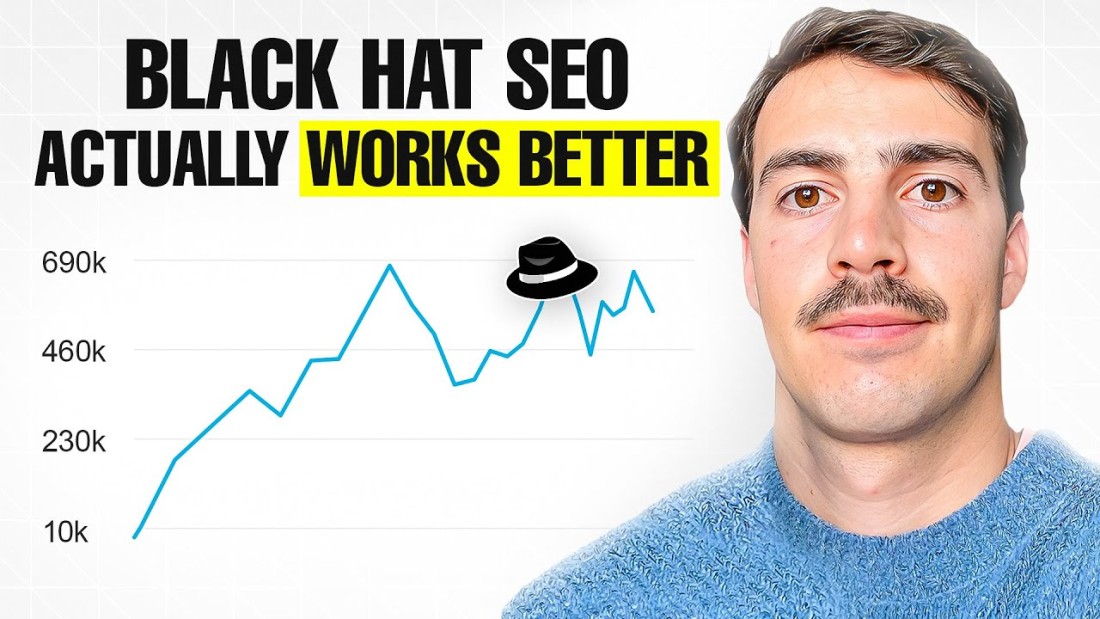
Black hat SEO techniques are controversial, risky, and often effective—at least in the short term. While white hat SEO focuses on long-term, sustainable growth through ethical practices, black hat methods push the boundaries of search engine guidelines to achieve faster results. However, these strategies come with significant risks, including penalties, deindexing, and potential legal issues.
In this comprehensive guide, we'll explore six black hat SEO techniques that some marketers use to gain competitive advantages. We'll examine why they work, when they stop working, and how to implement them if you choose to proceed—though we strongly recommend sticking to legitimate SEO strategies for sustainable growth.
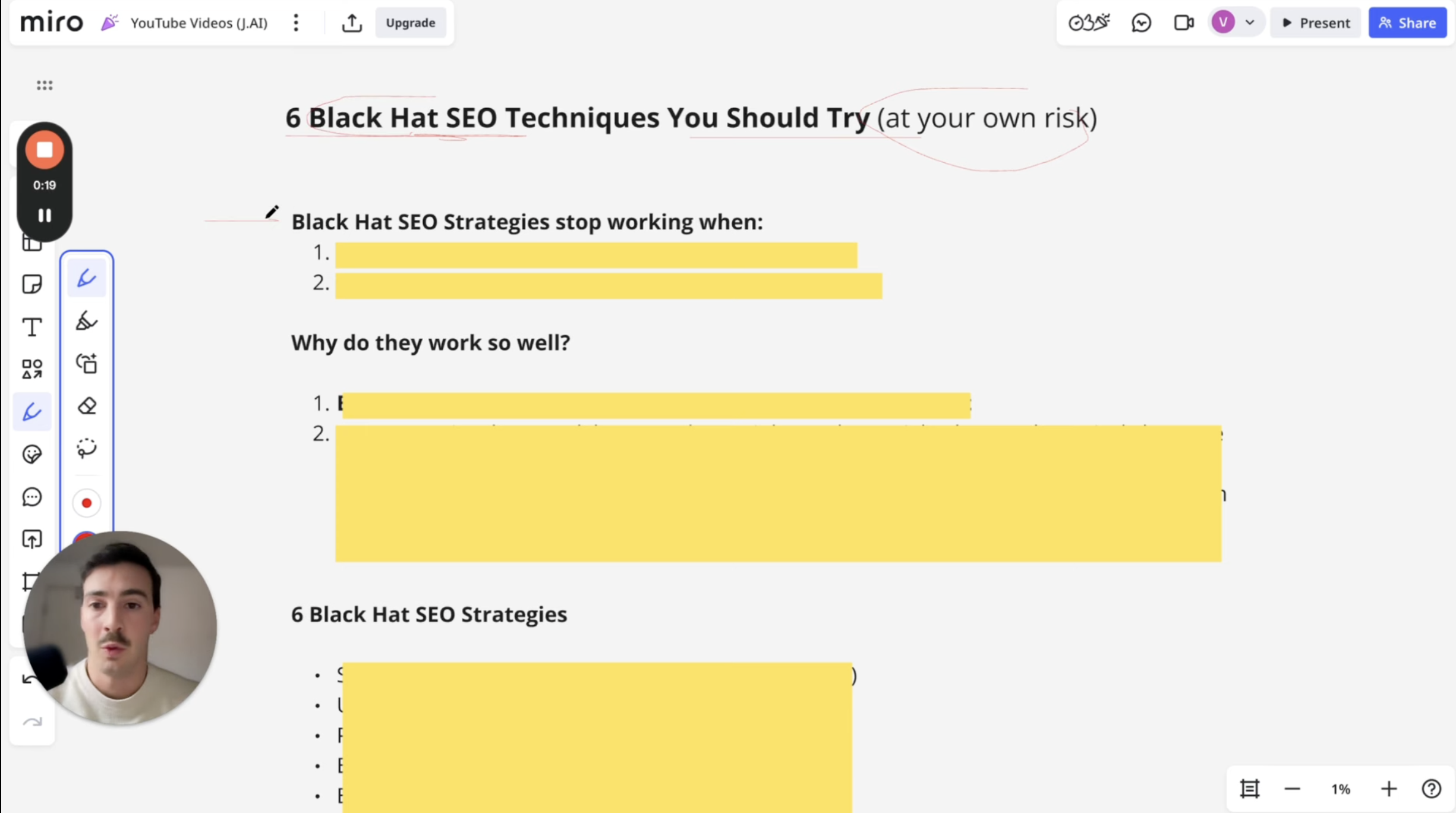
Why Black Hat SEO Techniques Stop Working
Understanding why black hat techniques eventually fail is crucial before attempting to use them. There are two primary reasons these strategies lose effectiveness over time:
1. Oversaturation and Competition
When a black hat technique first emerges, only a small group of savvy marketers know about it. These early adopters see incredible results because they're competing in a less crowded space. However, as more people discover and implement the same tactic, its effectiveness diminishes dramatically.
Consider Private Blog Networks (PBNs), which we'll discuss in detail later. When PBNs first appeared, they provided exceptional ranking boosts because few people were using them. Today, with thousands of marketers building PBNs, search engines have become better at detecting them, and the competitive advantage has eroded significantly.
2. Search Engine Algorithm Updates
Search engines like Google, Bing, and emerging AI-powered platforms continuously update their algorithms to combat manipulation. According to Google's spam policies, they're constantly refining their detection methods to identify and penalize sites using manipulative tactics.
When search engines crack down on a particular technique, they can:
Devalue or ignore the manipulative signals
Apply manual penalties to offending sites
Implement algorithmic filters that automatically detect and penalize the tactic
This is particularly true for newer platforms like ChatGPT, Perplexity, and Grok. While these AI search engines are still developing their spam detection capabilities, they're rapidly improving, making early exploitation tactics less effective over time.
 Why Black Hat SEO Works So Well
Despite the risks, black hat SEO techniques continue to attract marketers because they offer compelling advantages—at least temporarily. Understanding these benefits helps explain why people take the risk.
Encourages Innovation and Testing
Black hat SEO forces practitioners to constantly experiment with new approaches. This culture of testing and iteration often leads to discovering legitimate tactics that others haven't explored yet. The more you test—whether with Grok optimization, YouTube link building, or content syndication strategies—the more likely you are to find something that works before it becomes mainstream.
Leverages Scarcity and Uniqueness
SEO strategies don't work because they're inherently superior—they work because few people are using them. When a tactic is unique, it creates leverage and stands out from the noise. The moment everyone discovers the same technique, it becomes commoditized and loses its competitive edge.
This principle applies equally to white hat and black hat techniques. The key difference is that black hat methods typically offer faster results but with exponentially higher risks. For sustainable growth, consider using AI-powered SEO tools that help you discover and execute legitimate strategies before your competitors.
The 6 Black Hat SEO Techniques
Now let's examine six specific black hat SEO techniques that marketers use to manipulate search rankings. Each technique includes implementation details, risk assessments, and ethical alternatives.
1. Sape Links (Hacked Site Footers)
Risk Level: ⚠️⚠️⚠️⚠️⚠️ EXTREMELY HIGH
What Are Sape Links?
Sape links come from a Russian marketplace where operators hack high-authority websites and place hidden links in their footers. These links appear on every page of the compromised site, providing hundreds or thousands of backlinks from legitimate, high-DR domains.
How It Works:
Hackers compromise legitimate websites with high domain authority
They place hidden or disguised links in the site's footer or other template areas
Buyers purchase these links on a monthly subscription basis
Links remain active as long as the subscription is maintained and the hack isn't discovered
Why This Technique Works:
Search engines heavily weight links from authoritative sources. When your site receives hundreds of links from high-DR websites (even hacked ones), it can dramatically boost your rankings in the short term. The technique exploits the fact that backlinks remain one of Google's top ranking factors.
The Risks:
Potentially illegal - you're benefiting from hacked websites
Severe penalties when detected by search engines
Links disappear instantly when site owners discover the hack
Monthly subscription costs with no guarantee of ROI
Association with criminal activity
Ethical Alternative:
Instead of purchasing hacked links, invest in legitimate link building strategies such as guest posting, niche edits on real websites, digital PR, or creating linkable assets. These approaches build sustainable authority without legal or ethical issues. You can also learn how to build backlinks with AI assistance to streamline your outreach process.
2. Using Expired Domains to Launch New Sites
Risk Level: ⚠️⚠️ MODERATE (when done poorly) to ⚠️ LOW (when done well)
What Are Expired Domains?
An expired domain is a previously registered domain that the owner no longer maintains. When you purchase an expired domain and build a new site on it, you potentially inherit the domain's existing authority, backlinks, and trust signals.
How It Works:
Find expired domains with valuable backlinks and clean history
Purchase the domain through expired domain marketplaces
Build a new website on the domain, leveraging its existing authority
Benefit from faster indexing and ranking compared to brand-new domains
Finding Quality Expired Domains:
The key to using expired domains successfully is thorough vetting. Check these critical factors:
Domain age (older is generally better)
Backlink quality and relevance
Historical content (use Archive.org's Wayback Machine)
Previous penalties or spam history
Topical relevance to your intended use
Avoid domains that were previously used for spam, adult content, gambling, or pharmaceutical products. These associations can persist and harm your new site's credibility.
Why This Works:
According to research from Ahrefs, aged domains can rank faster than new domains because they:
Already have an established backlink profile
Skip the 'sandbox period' that affects new domains
Have historical trust signals in search engine databases
The Risks:
Google may detect sudden topic changes as manipulative
Hidden spam history might not be immediately apparent
Existing backlinks may become irrelevant or get removed
Investment cost with uncertain ROI
Best Practices:
This technique sits in a gray area—it's not inherently black hat if done correctly. To stay on the safer side:
Choose domains topically related to your new content
Maintain some continuity with the domain's previous purpose
Build high-quality, relevant content from day one
Implement proper 301 redirects for important old pages
3. Private Blog Networks (PBNs)
Risk Level: ⚠️⚠️⚠️⚠️ VERY HIGH (if detected) to ⚠️⚠️ MODERATE (if well-hidden)
What Is a PBN?
A Private Blog Network is a collection of websites that you own and control, specifically created to build backlinks to your money site (the site you want to rank). PBNs typically use expired domains with existing authority to pass link juice more effectively.
How PBNs Work:
Acquire multiple expired domains with strong backlink profiles
Build websites on each domain with quality content
Link from these PBN sites to your money site
Hide the connection between sites using different hosting, registrars, and footprints
Why PBNs Work:
When executed properly, PBNs provide complete control over your backlink profile. You decide:
Exactly which anchor text to use
When to add or remove links
The context surrounding your links
Which pages receive link equity
Critical PBN Setup Requirements:
To avoid detection, advanced PBN builders implement numerous precautions:
Different hosting providers for each site
Unique IP addresses (ideally Class C diversity)
Separate domain registrars and WHOIS privacy
Different WordPress themes and plugins
Varied content styles and posting schedules
Different Google Analytics and Search Console accounts
Unique outbound link patterns
The Risks:
Complete network deindexing if detected
Manual penalty on your money site
High setup and maintenance costs
Time-intensive management of multiple sites
Increasingly sophisticated detection algorithms
Ethical Alternative:
Instead of building a PBN, invest that time and money into legitimate link building through guest posts and niche edits from real websites. While more expensive per link, these provide sustainable value without the constant risk of penalties. You can also leverage digital PR strategies to earn high-quality editorial links naturally.
4. Buying Google Reviews
Risk Level: ⚠️⚠️⚠️ HIGH (when done poorly) to ⚠️⚠️ MODERATE (when done carefully)
What Is Review Buying?
Purchasing Google reviews involves paying third-party services to create fake positive reviews for your business listing. This practice violates Google's review policies but remains surprisingly common in local SEO.
How Marketers Do It:
Find review sellers on marketplaces and forums
Purchase packages of reviews from different Google accounts
Reviews are posted gradually to appear natural
Critical Success Factors:
Most people who buy reviews get caught because they don't follow these guidelines:
Use only Local Guide accounts (accounts with the Local Guide badge have more credibility)
Ensure geographic relevance - reviewers should be from your business's area
Verify accounts have review history beyond your business
Vary review content - avoid templates or similar language
Space out reviews naturally over weeks or months
Mix in some 4-star reviews - all 5-stars look suspicious
The Risks:
Google Business Profile suspension
Review removal by Google's algorithms
Reputation damage if customers discover fake reviews
Legal issues in jurisdictions with consumer protection laws
Competitor reporting to Google
Ethical Alternative:
Build a systematic approach to earning genuine reviews:
Ask satisfied customers directly after positive interactions
Send email follow-ups with review links
Display QR codes to your review page in your physical location
Offer exceptional service that naturally inspires reviews
Respond professionally to all reviews, including negative ones
5. Buying Backlinks
Risk Level: ⚠️ LOW to ⚠️⚠️⚠️ HIGH (depends heavily on implementation)
The Nuance of Paid Links:
Buying backlinks exists on a spectrum from completely black hat to relatively white hat. According to Google's link scheme guidelines, paying for links that pass PageRank violates their guidelines. However, the practical reality is more complex.
Types of Paid Links:
Type | Risk Level | Typical Cost | Notes |
Spammy Directory Links | Very High | $5-$50 | Avoid completely |
Low-Quality Guest Posts | High | $50-$150 | Obvious link farms |
Niche Edits | Medium | $100-$500 | Adding links to existing content |
Quality Guest Posts | Low to Medium | $300-$1,000 | Real editorial placements |
Digital PR / Editorial Links | Very Low | $1,000-$10,000+ | Major publications, natural placement |
Best Practices for Buying Links:
If you choose to purchase backlinks, follow these guidelines to minimize risk:
Focus on relevance - links should come from topically related sites
Prioritize quality metrics (DR, traffic, engagement)
Avoid obvious link selling sites (check if they have a 'buy links' page)
Vary anchor text - use branded, URL, and natural anchor text
Build links gradually - sudden spikes look unnatural
Ensure the content surrounding your link is high-quality and relevant
Many successful SEO professionals use legitimate backlink services that focus on outreach-based placements rather than pure link buying. These services contact website owners and propose genuine editorial collaborations, making the links more sustainable.
6. Click-Through Rate (CTR) Manipulation
Risk Level: ⚠️⚠️ MODERATE (when subtle) to ⚠️⚠️⚠️ HIGH (when excessive)
What Is CTR Manipulation?
CTR manipulation involves artificially inflating the number of clicks your search result receives. The theory is that if Google sees many users choosing your result over competitors, it will boost your rankings as a signal of relevance and quality.
How It Works:
Use services or software that employ real people worldwide
These users search for your target keyword
They scroll through results to find your listing
Click on your result and browse multiple pages
Spend a realistic amount of time on your site
Popular CTR Manipulation Tools:
Microworkers - hire individuals for specific tasks
Various automated click services (names change frequently)
Specialized SEO software with CTR manipulation features
The Theory Behind CTR Manipulation:
Search engines use user behavior signals to evaluate result quality. While Google has stated they don't directly use CTR as a ranking factor, many SEO professionals believe that consistent patterns of user preference can influence rankings indirectly through quality signals.
The Risks:
Search engines can detect unusual click patterns
May waste money with little to no actual impact
Inflates Analytics data, making it harder to track real performance
Potential penalties if identified as manipulation
Effectiveness in 2026:
CTR manipulation has become less effective as search engines have improved their detection capabilities. Machine learning algorithms can identify patterns that indicate artificial engagement, such as:
Suspiciously high CTR relative to position
Clicks from similar geographic locations
Unnatural browsing patterns
Short or inconsistent time on site
Ethical Alternative:
Instead of manipulating CTR, improve it legitimately by:
Writing compelling title tags and meta descriptions
Using schema markup to enhance search appearance
A/B testing different meta descriptions to improve CTR organically
Adding FAQ schema and rich snippets
Building brand recognition so users actively seek your results
Black Hat SEO Technique Risk Assessment
To help you understand the relative risks of each technique, here's a comprehensive comparison:
Technique | Risk Level | Potential Impact | Recommendation |
Sape Links | ⚠️⚠️⚠️⚠️⚠️ Extremely High | Quick rankings, severe penalties | Avoid completely |
Expired Domains | ⚠️⚠️ Moderate | Faster rankings if done well | Acceptable if vetted properly |
PBNs | ⚠️⚠️⚠️⚠️ Very High | Powerful but unsustainable | Not recommended |
Buying Reviews | ⚠️⚠️⚠️ High | Local ranking boost, reputation risk | Better to earn legitimately |
Buying Backlinks | ⚠️ to ⚠️⚠️⚠️ Variable | Depends on quality and approach | Acceptable if high-quality |
CTR Manipulation | ⚠️⚠️ Moderate | Questionable effectiveness in 2025 | Not worth the risk |
Sustainable Alternatives to Black Hat SEO
The reality is that white hat SEO strategies often produce better long-term results than black hat techniques. Here are proven alternatives that deliver sustainable growth:
1. AI-Powered Content Creation at Scale
Instead of manipulating search engines, dominate search results by publishing more high-quality content than your competitors. Tools like Arvow's AI SEO writer can help you create and automatically publish optimized content at scale while maintaining quality and relevance.
Benefits:
Completely white hat and sustainable
Builds real authority and trust
Creates actual value for users
Scales without increasing risk
2. Strategic Link Building Outreach
Instead of buying spammy links or building PBNs, invest in strategic link building through legitimate outreach. This includes:
Guest posting on relevant, high-authority sites
Digital PR to earn editorial links
Broken link building
Creating linkable assets (infographics, studies, tools)
Resource page link building
3. Technical SEO Excellence
Many websites have significant ranking opportunities hidden in technical issues. Use AI SEO agents to automatically identify and fix technical SEO problems:
Schema markup implementation
Site speed optimization
Mobile responsiveness improvements
Core Web Vitals optimization
Fixing crawl errors and broken links
4. Optimize for AI Search Engines
While others focus on manipulating Google, forward-thinking marketers are optimizing for AI-powered search engines like ChatGPT, Perplexity, and Grok. This emerging field, called LLM SEO or GEO (Generative Engine Optimization), offers first-mover advantages similar to early Google SEO.
According to a case study from Arvow, LLM SEO increased ChatGPT leads by 38% through completely white hat optimization techniques.
5. Programmatic SEO for Scale
Create thousands of optimized landing pages targeting long-tail keywords through programmatic SEO. This white hat technique allows you to dominate entire keyword categories by systematically creating valuable, unique pages at scale.
Final Thoughts: Risk vs. Reward in Black Hat SEO
Black hat SEO techniques can deliver impressive short-term results, but they come with substantial risks that can devastate your online presence. The techniques we've discussed—from Sape links to CTR manipulation—all share common characteristics:
They work because few people use them initially
They become less effective as adoption increases
They carry significant penalty risks
They create unsustainable ranking positions
The Better Path Forward
Instead of risking your site's future with black hat techniques, consider this three-pronged approach to sustainable SEO success:
1. Scale quality content production - Use AI tools to create more high-quality content than your competitors can match manually
2. Build legitimate authority - Invest in real relationships, quality link building, and genuine brand building
3. Stay ahead of the curve - Focus on emerging opportunities like AI search engine optimization before they become mainstream
When (If Ever) to Consider Black Hat Techniques
The only scenarios where black hat SEO might be worth considering:
You're testing on a disposable site with no brand value
You're learning for educational purposes (without actually implementing)
You're working in an extremely competitive niche where everyone uses these tactics
You have multiple sites and can afford to lose one
For most businesses and marketers, the risk simply isn't worth the potential reward. Building sustainable SEO success through legitimate means provides:
Long-term stability and growth
Protection from algorithm updates
Real brand value and trust
Assets that appreciate rather than depreciate
Peace of mind
Additional Resources
To build your SEO knowledge and implement white hat strategies effectively, explore these resources:
Ready to Build Sustainable SEO Success?
While black hat techniques might seem tempting, the smartest SEO strategy combines innovation with sustainability. Instead of risking penalties with manipulative tactics, leverage modern AI tools to outpace competitors legitimately.
Try Arvow's AI SEO platform to create, optimize, and publish high-quality content at scale—no black hat tactics required. Start with 3 free articles and see how white hat automation can deliver black hat results without the risks.
Remember: The best SEO strategy isn't about finding loopholes—it's about creating genuine value at a scale your competitors can't match.
Generate, publish, syndicate and update articles automatically
The AI SEO Writer that Auto-Publishes to your Blog
- Cancel anytime
- Articles in 30 secs
- Plagiarism Free